Fed keeps key rate unchanged
U.S. central bankers suggested, with 4 dissents, their next move would be a cut.
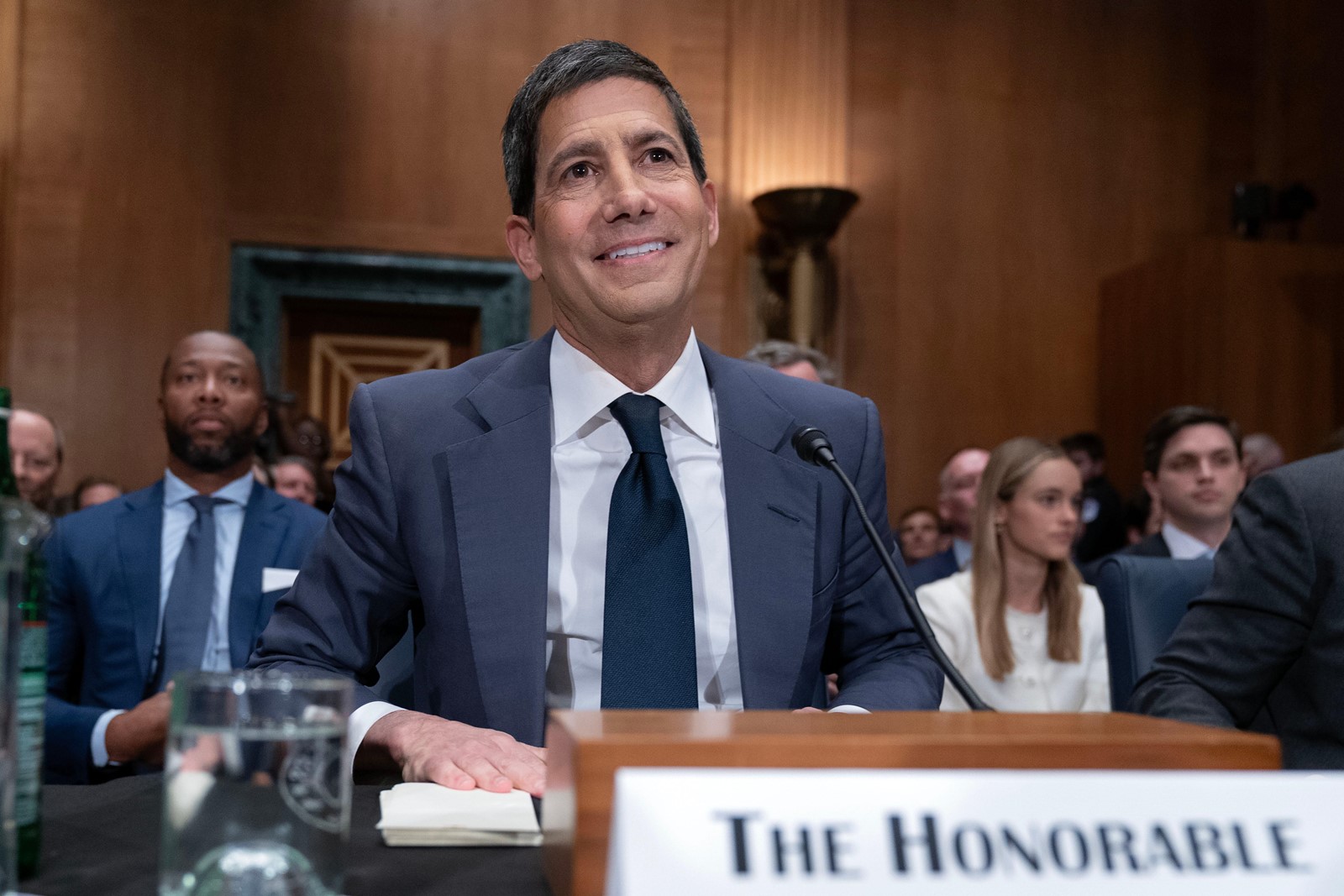
Kevin Warsh testifies during his nomination hearing to be a member and chairman of the Federal Reserve Board of Governors before the Senate Banking Committee on Tuesday in Washington. Jose Luis Magana - AP
By CHRISTOPHER RUGABER | THE ASSOCIATED PRESS
The Federal Reserve left its benchmark interest rate unchanged for the third straight meeting but signaled it could still cut rates in the coming months, moves that attracted the most dissents since October 1992.
The Fed on Wednesday kept its short-term rate at 3.6% and retained language in its statement suggesting the next move would be a rate reduction.
Three officials dissented in favor of removing the reference to a future cut, while a fourth, Stephen Miran, dissented in favor of an immediate rate cut.
The dissents underscore the level of division on the Fed's 12-member rate-setting committee ahead of the departure of Chair Jerome Powell, whose term ends May 15.
The Senate Banking Committee approved his successor, President Donald Trump's appointee Kevin Warsh, earlier Wednesday on a party-line vote. Warsh has argued in favor of rate cuts, as Trump has demanded.
"Developments in the Middle East are contributing to a high level of uncertainty about the economic outlook," the Fed said in a statement after its two-day meeting. "Inflation is elevated, in part reflecting the recent increase in global energy prices."
Warsh has promised "regime change" at the central bank and may make sweeping changes to its economic models, communications strategies and balance sheet, but he will likely find it harder to implement the rate cuts Trump seeks with inflation topping 3%, above the Fed's target of 2%.
The three officials who dissented against hinting that the Fed may reduce borrowing costs were Beth Hammack, president of the Federal Reserve Bank of Cleveland; Neel Kashkari, president of the Minneapolis Fed; and Lorie Logan, president of the Dallas Fed.
Miran was appointed to the Fed's Washington board by Trump last September. The regional Fed bank presidents have historically been more likely to dissent, while the Washington-based governors more often support the chair.
The dissents could renew tension between the Trump administration and the bank presidents, who White House officials have previously criticized.
Powell said Wednesday he plans to remain on the board of the Federal Reserve after his term as chair ends next month "for an undetermined period of time," saying the "unprecedented" legal attacks by the Trump administration have put the independence of the nation's central bank at risk.
"I worry these attacks are battering this institution and putting at risk the things that really matter to the public," Powell said in remarks at a press conference after the Fed announced its decision to keep its benchmark interest rate unchanged.
Powell's decision to stay- the first time a Fed chair will remain on the board as a governor since 1948 - denies Trump a chance to fill a seat on the central bank's seven-member governing board with his own appointee.
Powell will continue as a Fed governor, possibly until January 2028.
Warsh, if confirmed, will take a seat currently held by Miran, a previous Trump appointee, whose term ended in January.
Powell's move could make it a bit harder for Warsh to engineer the rate cuts that Trump has demanded, and Warsh advocated for last year, economists say.
"It probably means it will take Warsh a little bit longer to build the consensus he is trying to build," said David Seif, chief economist for developed markets at Nomura, an investment bank.
 (0)
(0)
 0
0  0
0