Inflation slowed in February, but stocks dip on Hormuz threats
CPI data shows underlying inflation slowed in February ahead of Middle East conflict.
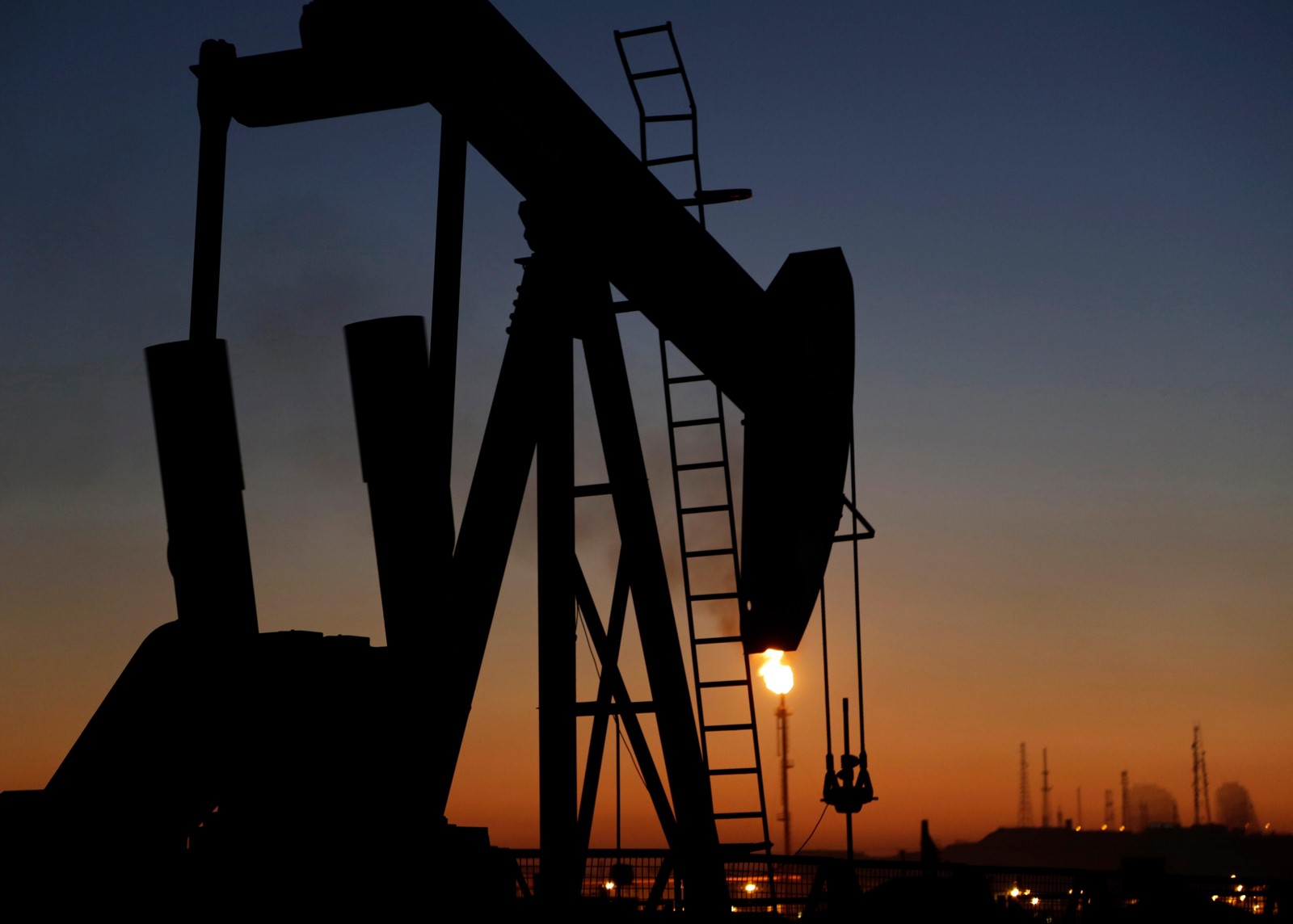
An oil pump works at sunset, in the desert oil fields of Sakhir, Bahrain, in 2016. The Iran war has stressed the stock market as oil prices have skyrocketed. Hasan Jamali - the associated press.
By Joel Leon | Bloomberg
U.S. stocks weakened Wednesday as investors remained focused on war in the Middle East, shrugging off inflation data from before hostilities began that showed easing price pressures.
The S&P 500 Index finished 0.1% lower, extending declines for a second-straight session. The Nasdaq 100 Index was little changed and Brent crude rose 5.9% to $92.99 a barrel. The S&P 500 remains below both its 50- and 100-day moving averages, with Wall Street traders pouring over charts to determine how much further the gauge could fall.
President Donald Trump "might have declared the war was running ahead of schedule, but no one seems to have told the Iranians," said Chris Beauchamp, chief market analyst at IG. "Despite the release of IEA reserves, it looks like oil has bottomed out for now, ratcheting up the pressure on the U.S. administration to find a way to end the conflict."
The conflict in the Middle East raged on, with Iran telling regional intermediaries that the U.S. and Israel must pledge to not strike the country for a ceasefire to occur. Meanwhile, Trump downplayed the threat of mines in the Strait of Hormuz, repeating his suggestion that the war would end soon. Reuters reported Wednesday that Iran had laid about a dozen mines in the waterway, citing people familiar with the matter.
Trump's attempted reassurance came as the International Energy Agency approved the release of a record 400 million barrels from oil reserves. The president gave no specific timeline for when the war would conclude, saying "we're not finished yet" and that the U.S. needed to keep doing "more of the same."
Amid the latest turns in the conflict, consumer price index data showed underlying inflation slowed in February from a month earlier, which suggests price pressures had eased before hostilities had begun. Due to the timeframe of the data, investors are likely to look past it.
"Reading too far into today's CPI in most respects amounts to arguing over the dinner menu on the Titanic, since the economy has struck an energy-cost iceberg," said Brad Conger, chief investment officer at Hirtle Callaghan. "In our view, it confirms that underlying inflation is tracking with employment -which is to say - downward trending."
Skyler Weinand, chief investment officer at Regan Capital, said this could be the last year-over-year CPI print that is around 2.4% "for a while," as the reading may move back toward 3% or above.
Also expected this week is a readout on the Federal Reserve's preferred inflation gauge, the personal consumption expenditures price index. After that traders will turn their focus toward next week's Federal Reserve meeting.
 (0)
(0)
 0
0  0
0