Price spikes could force rate hike
Fed watchers see possibility of dissents this week at meeting if officials leave policy unchanged.
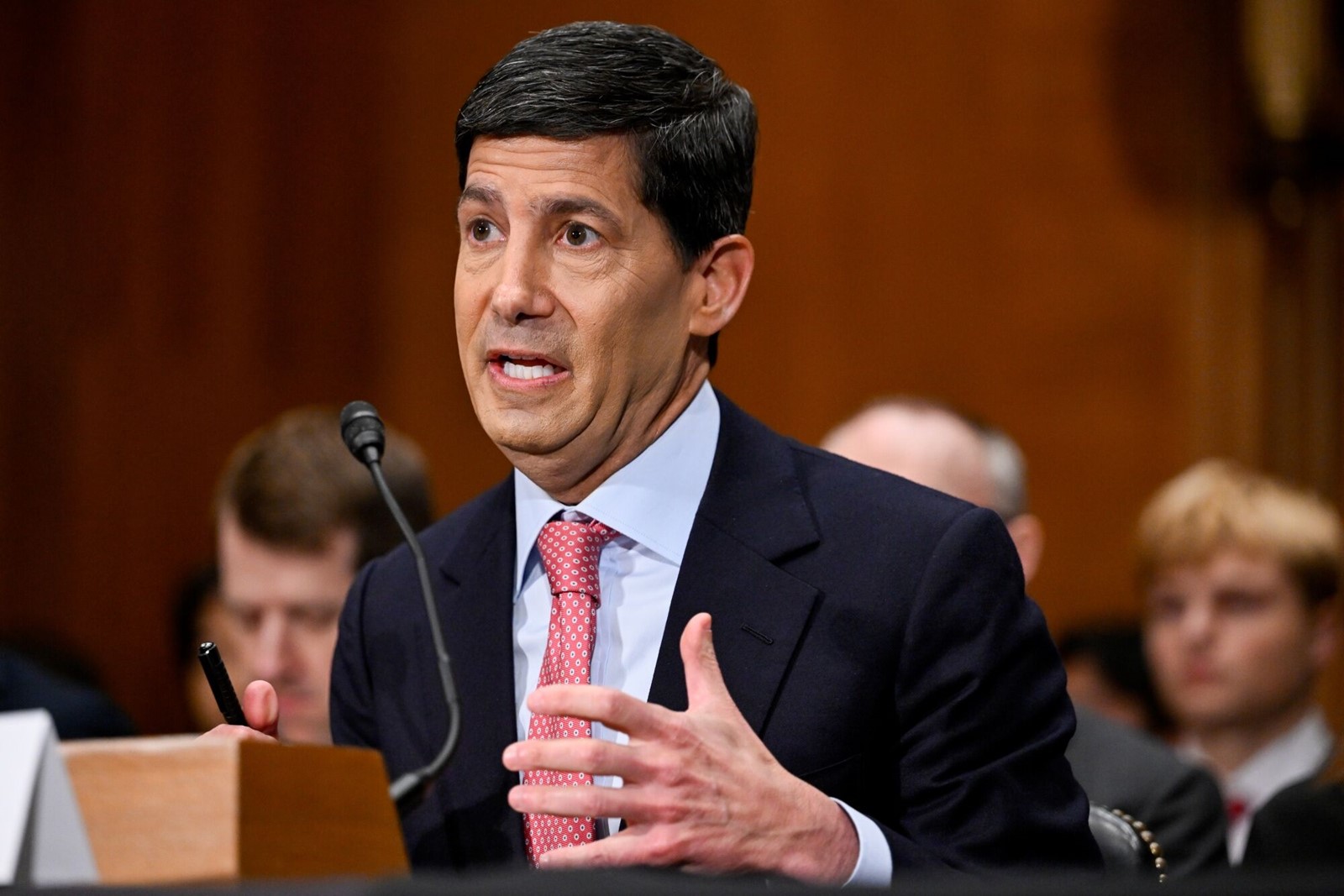
Kevin Warsh
By MARTE AND MARIA ELOISA CAPURRO | BLOOMBERG
Federal Reserve officials will head into their policy meeting this week confronting a resurgence in price pressures that could make their decision on whether to hold or hike interest rates a close call - and a contentious one.
Renewed tensions in the Middle East have sent oil prices soaring again, overshadowing a tamer-than-expected reading on June consumer prices that seemed to offer officials breathing room to keep rates stable. Add to that a demand boom fueled by artificial intelligence and the Trump administration's announcements of new tariffs, and Fed watchers see the possibility of dissents at the July meeting today and tomorrow if officials again leave policy unchanged.
Investors in recent days have also boosted their bets the central bank could hike at this week's meeting, putting the odds close to 40% at one point last week.
"Things are definitely heating up in the conflict in the Middle East and, for oil, the risk of moving significantly higher from here has increased," said Alex Payne, a senior portfolio manager at Vanguard. "The market is adjusting to the risk of inflation being a little bit stickier due to some of these geopolitical issues."
Oil prices retreated somewhat over the weekend as the U.S. and Iran held back from initiating fresh military strikes. But fresh economic data provided further evidence of a strong U.S. economy, with orders for business equipment rising in June by more than projected.
A growing number of policymakers have outlined a rationale for why they support higher rates now, or could soon. Dallas Fed President Lorie Logan earlier this month called for modestly higher rates, citing her view inflation isn't heading sustainably back to the Fed's 2% goal. Cleveland Fed President Beth Hammack also chimed in recently, saying "there is no conflict" in the Fed's mandates and inflation is a bigger concern than employment currently. Both will vote on this week's interest-rate decision and could dissent if officials opt to hold steady.
"It is clear listening to the Fed officials that you have a small group - like Logan, Hammack
-who probably are ready to get going," said Claudia Sahm, chief economist at New Century Advisors LLC. "And then there's a pretty large group that wants to see more improvement-and soon."
Even at last month's meeting, when officials left policy stable for a fourth consecutive time, a few policymakers already saw a case for raising rates. Minutes of that gathering also showed most officials had discussed scenarios in which inflation remained elevated due to AI-related demand, the Middle East conflict or the effects of tariffs. And almost all in that group indicated that such scenarios would likely warrant higher rates.
Since that meeting, the Trump administration said it would impose fresh tariffs on Canada and other trading partners, a fragile ceasefire between Iran and the U.S. fractured and robust AI investment has shown few signs of slowing.
Fed Chairman Kevin Warsh has reaffirmed the Fed's commitment to reducing inflation, vowing on Capitol Hill this month to use the central bank's tools to achieve price stability. But his reluctance to offer specifics on how he plans to use those tools has kept markets guessing about where rates are headed - even in the near term.
As of Monday morning, investors were pricing in about a 35% chance for a rate increase at this meeting, according to federal funds futures contracts.
 (0)
(0)
 0
0  0
0